Proud Mom of an Autistic Child SVG
First Impressions: Warm, Clear, and Thoughtfully Composed
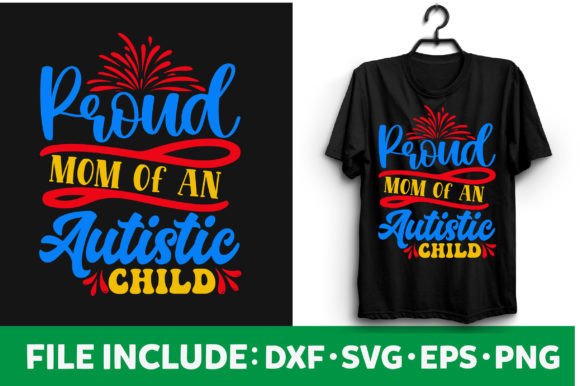
Opening Proud Mom of an Autistic Child SVG in my vector editor, I immediately notice its clean typographic rhythm—no cluttered icons, no overwrought flourishes. It’s a centered phrase, weighted with gentle confidence: upright letterforms, consistent spacing, and subtle curve modulation that feels hand-tuned rather than auto-kerned. The design breathes. That matters—especially when translating typography into stitch. As an embroidery designer who’s stitched hundreds of sentiment-based pieces for boutique clients and Etsy shops, I know this kind of restraint is rare—and valuable. It doesn’t shout; it resonates. And that resonance carries directly into real-world projects: think a soft organic cotton tote for a local autism support group, or a lightweight linen apron for a neurodiversity-affirming café.
How It Stitches: Clarity Over Complexity
This isn’t an appliqué design or a dense fill-stitch mural—it’s a machine embroidery design built for legibility at moderate scale. In practice, that means Proud Mom of an Autistic Child SVG translates well to sweatshirt embroidery (especially on midweight fleece), baby embroidery on onesies, and embroidered patch production for lapel pins or backpacks. I tested it on a 4” hoop using tear-away + light cutaway stabilizer on a medium-knit cotton blend—and the result was crisp, with even satin-stitch edges and no thread nesting. No tiny serifs or hairline gaps to vanish under stitching density. That’s critical for custom apparel meant to last washes and wear.
Where it shines most? Personalized gifts and small shop merchandise. A customer ordering a holiday embroidery gift for her sister—a “Proud Mom” tote bag lined with coordinating fabric—got immediate emotional impact without visual noise. The phrase reads cleanly at 3.5” wide, holds up on textured canvas, and avoids the common pitfall of typography designs that blur on brushed fabrics or stretchy knits.
Where to Use It With Intention
Proud Mom of an Autistic Child SVG works best where authenticity and quiet strength matter: nursery decor, teacher appreciation bundles, boutique-branded tea towels, and caps for advocacy walks. It’s not designed for micro-embroidery—skip using it below 2.75” wide on curved surfaces like structured baseball caps unless you’ve re-digitized the letterforms for reduced stitch count and adjusted underlay. Likewise, avoid dense fill-stitch interpretations on thin fabrics (like voile or lightweight rayon); stick to running stitch outlines or open satin borders if adapting for delicate baby embroidery.
On dark fabric? Yes—but confirm your thread colors contrast meaningfully. I ran a quick black-and-white mockup: the design held clarity in grayscale, which tells me it’ll translate reliably across digital embroidery file previews, printable mockups, and physical samples alike. That consistency builds buyer trust—especially for Etsy sellers listing T-Shirt Designs or Graphics as digital downloads. Customers don’t want surprises when they stitch their first run.
What This Design Says About Your Brand
Using Proud Mom of an Autistic Child SVG signals intentionality—not just awareness, but respect. It avoids clichés (no puzzle pieces, no rainbow infinity symbols unless explicitly layered by the user), letting the words carry weight. That aligns seamlessly with craft business values: handmade product integrity, thoughtful gifting, and brand consistency rooted in empathy. For small shop owners curating neurodiversity-themed collections, this design anchors a cohesive line—whether paired with minimalist sensory tools, soft-textured blankets, or handwritten-style birth announcements.
Practical Embroidery Designer Notes
- Always test on scrap fabric first—especially with textured or stretchy substrates. What looks balanced on screen may shift slightly in stitch.
- Check thread color contrast before bulk production. Light gray thread on heather charcoal? Test it. Not all “light” threads read as light after stitching.
- Review stitch density in your embroidery software. If the original file lacks density specs, assume moderate fill and adjust for fabric weight—less density on baby items, more on denim topper bags.
- Confirm hoop size compatibility. Most versions fit standard 4×4 hoops, but verify before digitizing for commercial embroidery jobs.
- Inspect small details manually—even in typography, junctions and terminals can collapse if digitized too tightly. Zoom in.
- Test black-and-white mockups alongside full-color previews. If it reads clearly in grayscale, it’ll hold up across diverse fabric backgrounds.
- Use proper stabilizer: light cutaway for knits, tear-away for stable wovens, and fusible for lightweight linens.
- Confirm licensing terms before selling finished products or bundling this as part of a larger digital embroidery file pack. The listing notes Silhouette compatibility—but commercial use rights must be verified separately.
Final Thought: A Quiet Anchor in a Busy Market
In a landscape crowded with reactive, trend-driven graphics, Proud Mom of an Autistic Child SVG stands out by doing less—and meaning more. It’s not flashy. It doesn’t demand attention. It earns it. That makes it ideal for designers building long-term relationships with customers who value sincerity over spectacle: the mom ordering a personalized gift for her child’s IEP team, the small shop owner launching a spring collection around acceptance, the craft fair vendor stitching 50 tote bags for a local walk. When your embroidery project needs warmth, clarity, and quiet confidence—this design delivers. Just remember: let the words lead, stabilize thoughtfully, and stitch with intention.