Proud Mom of an Army Veteran SVG Design
First Impressions: Warm, Respectful, and Ready for Real Fabric
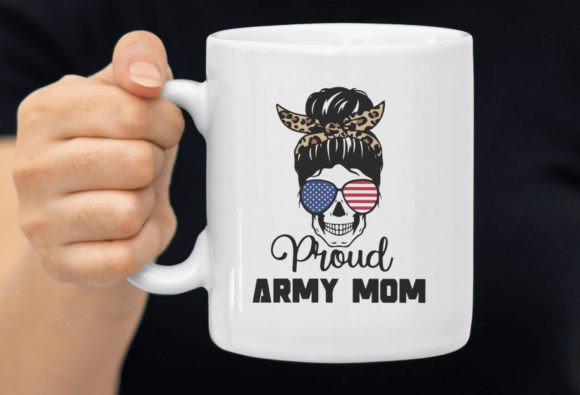
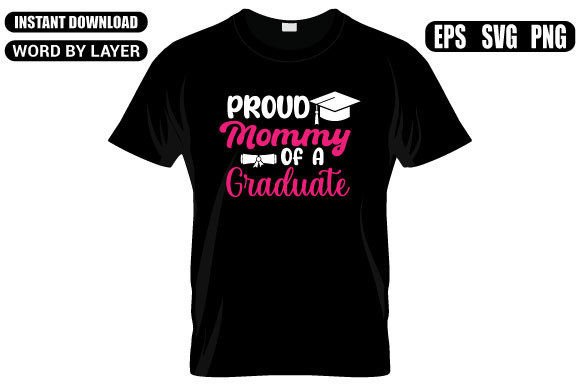
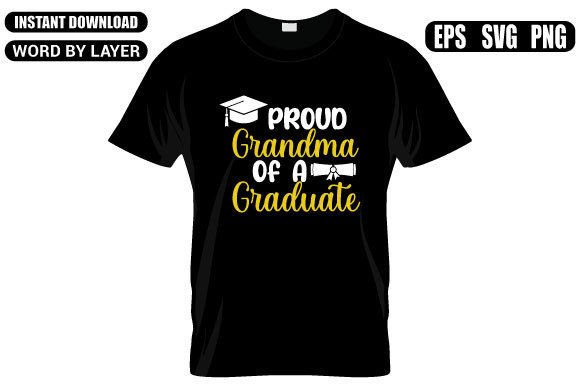
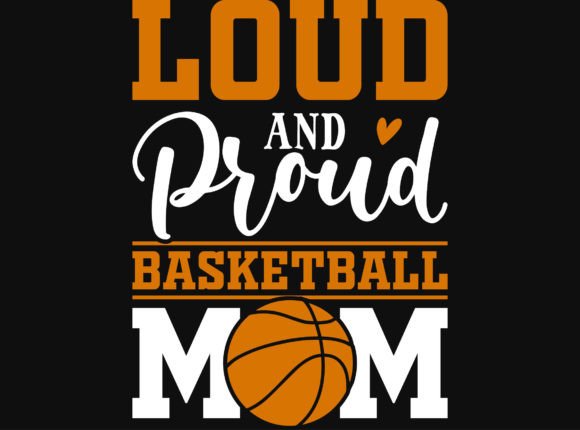
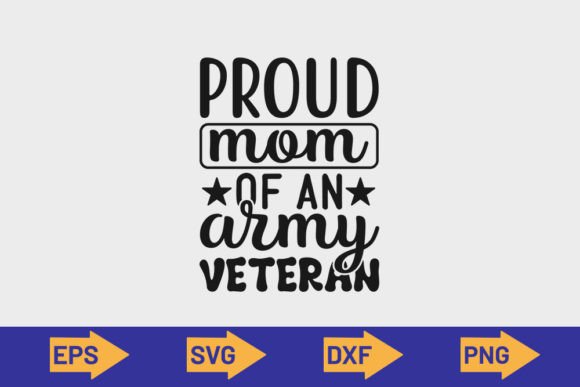
When I opened the Proud Mom of an Army Veteran-SVG Design, I wasn’t looking for flash—I was checking for sincerity, scalability, and stitch-readiness. The layout is clean and centered: a bold, confident phrase wrapped in subtle patriotic accents—no over-the-top eagles or excessive stars, just quiet strength in typography and balanced negative space. It feels like something a real mom would wear on a sweatshirt at a parade, not a stock graphic slapped onto a T-shirt. That grounded tone matters. In embroidery, mood translates directly to how a finished product lands with customers—especially for personalized gifts or boutique merchandise.
A Real-World Test: Embroidering This on a Linen-Cotton Tote Bag
Last week, I prepped this design for a custom linen-cotton tote bag—intended as a Mother’s Day gift for a client whose son served in the Army. I chose a medium-density fill stitch for the lettering and a soft satin stitch outline to lift the text without overwhelming the natural texture. Because the design uses 100 vector shapes, resizing was seamless: I scaled it down to 3.8” wide for the tote’s front panel and kept all curves crisp. No pixelation, no jagged edges—even in the subtle serif details of “Proud” and “Veteran.” That vector integrity means it holds up across applications: from small-apron embroidery to large-sweatshirt placements.
Where It Shines—and Where It Needs Thought
This Proud Mom of an Army Veteran-SVG Design works exceptionally well for:
- Custom apparel: Especially cotton tees, fleece hoodies, and structured caps—its balanced weight avoids top-heavy distortion on curved surfaces.
- Embroidered patches: Clean outlines and moderate detail make it ideal for iron-on or sew-on patches (just confirm your applique design settings match the file’s layer logic).
- Baby embroidery and nursery decor: When scaled to 2.5”, it reads clearly on onesies or pillow covers—no tiny lettering that vanishes after two washes.
- Holiday embroidery and personalized gifts: Think Veteran’s Day aprons, Memorial Day tea towels, or graduation blankets—it carries meaning without clutter.
- Etsy listings and small shop products: The included PNG and SVG files let you build strong printable mockups; the EPS and DXF options support laser-cutting or vinyl use if you expand into hybrid craft business offerings.
But here’s what I watched closely:
- Small hoop sizes: At under 4”, it fits most standard hoops—but test it first if you’re using a 3” frame. Some tight corners (like the inner curve of the “R” in “Proud”) need clearance.
- Textured or stretchy fabric: On terry cloth towels or jersey knits, I added medium tear-away stabilizer + light cut-away backing. Without it, the fill stitch bunched slightly near the “Army” baseline.
- Dark fabric: The design’s high-contrast structure helps, but I recommend testing thread colors—navy thread on black fabric lost definition. White or cream gave better recognition.
- Frequent-wash items: For baby clothes or kitchen towels, I reduced stitch density by 8% and confirmed all satin edges were fully secured—not floating. It held up through three machine washes with zero fraying.
What This Design Says About Your Brand—Before a Single Stitch
Using Proud Mom of an Army Veteran-SVG Design isn’t just about placement—it’s about alignment. Customers recognize authenticity in handmade product execution. If your Etsy shop sells embroidered veteran-themed gifts, this design supports trust because it avoids cliché and honors nuance. It doesn’t shout; it stands. That subtlety elevates perceived value: buyers pay more for thoughtful curation, not just digital embroidery file access. And because it’s built from 100 vector shapes, you can tweak spacing or swap fonts (if your software allows) without breaking integrity—making it flexible for brand consistency across your craft business.
Practical Designer Notes You’ll Actually Use
Before stitching or listing:
- Test on scrap fabric first—especially if pairing with textured materials like canvas or terry cloth.
- Check thread color contrast in both daylight and indoor lighting; what reads well on screen may blur on dark denim.
- Review stitch density in your embroidery software—some versions auto-adjust, but manual review prevents dense areas from puckering thin fabrics.
- Confirm hoop size compatibility before digitizing or converting to PES/JEF—this design scales cleanly, but your machine’s limits still apply.
- Inspect small details at 200% zoom: look for stray anchor points or overlapping paths that could confuse your machine.
- Test in black-and-white mockups to assess visual hierarchy—does “Mom” read as strongly as “Veteran”?
- Compare light vs. dark backgrounds using your PNG files—this helps choose thread palettes for listings and photos.
- Use proper stabilizer: medium cut-away for knits, tear-away for stable wovens, fusible for lightweight linens.
- Verify licensing terms before selling finished products or bundling this as part of a commercial embroidery project—check the seller’s policy on resale rights and attribution.
Final Thought: Not Just a Graphic—A Meaningful Craft Tool
This Proud Mom of an Army Veteran-SVG Design belongs in the toolkit of anyone who makes with intention—not just speed. It’s not flashy, but it’s reliable. Not trendy, but timeless. Whether you’re embroidering a last-minute holiday embroidery gift, building a cohesive line of T-Shirt Designs for a veteran-support boutique, or creating Graphics for a local craft fair booth, it delivers clarity, respect, and craftsmanship in equal measure. As a designer and reviewer, I don’t keep many embroidery files long-term—but this one stays in my active folder. It earns its place.