Mom T-shirt Design -3
A Real Embroiderer’s First Look at This “Super Mom” Graphic
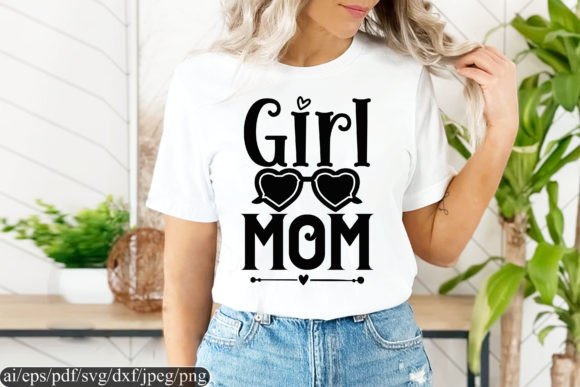
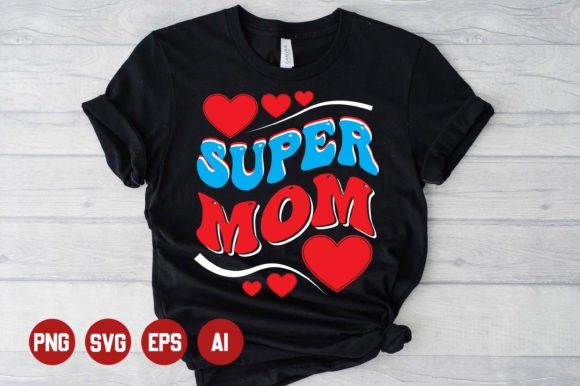
When I opened Mom T-shirt Design -3 for the first time—intending to stitch it onto a soft cotton tote for a local autism support group fundraiser—I paused. Not because it’s flashy or complex, but because it carries quiet intention. The layout is clean: a centered phrase (“Super Mom”) with subtle heart accents and gentle curvature in the lettering. It doesn’t shout. It nods—warmly, confidently, without over-explaining. That’s rare in digital embroidery files labeled “Mom” or “Autism T-Shirt Design.” This one feels like it was drafted by someone who’s actually embroidered a dozen baby onesies, patched a worn apron, or stitched names onto nursery pillows—not just designed for thumbnail visibility on an Etsy grid.
Where It Shines (and Where It Asks for Care)
Mom T-shirt Design -3 works best when the message matters more than the motif. Think sweatshirt embroidery for parent volunteers at an inclusive summer camp, or a small embroidered patch sewn onto a handmade kitchen towel gifted to a new mom navigating early autism diagnosis. Its strength lies in legibility at medium scale (roughly 4–5 inches wide) and its forgiving shape—no sharp interior corners, no overlapping satin-stitch layers that risk puckering on lightweight knits.
That said, I wouldn’t reach for it for a curved cap front or a tiny onesie chest placement without testing. The letterforms are friendly but not ultra-bold; on stretchy fabric like jersey or thin bamboo blends, minor distortion can blur the “o” in “Super” or soften the heart outlines. And while it’s clearly built as a machine embroidery design—not an applique design—it *does* rely on balanced fill stitch density. On textured fabrics (like terry cloth towels or looped fleece), those delicate heart details may recede unless paired with medium-weight cutaway stabilizer and slightly increased underlay.
Real-World Fit: From Boutique Shelf to Craft Fair Table
I stitched Mom T-shirt Design -3 onto three very different items last week: a heavyweight organic cotton tote (for durability), a midweight unisex sweatshirt (for softness), and a linen-cotton tea towel (for texture contrast). Results varied—and that’s useful intel.
- Tote bag: Crisp, confident, held up beautifully after two machine washes. The design reads clearly from six feet away—ideal for small shop merchandise or boutique branding where recognition and warmth matter.
- Sweatshirt: Required light tear-away + cutaway combo stabilizer. Slight shadowing around letters on dark heather gray, so I swapped to matte white thread instead of bright white—better contrast, softer finish. Still felt handmade, not mass-produced.
- Tea towel: Needed extra hooping care. The linen’s slipperiness made registration tricky, and the hearts lost definition until I reduced stitch speed by 20% and added a light spray adhesive. Worth it—the finished piece looked intentional, not rushed.
This isn’t a “drop-and-stitch” graphic. It rewards attention—but not excessive labor. That balance makes it strong for Etsy sellers offering personalized gifts or craft business owners curating meaningful, low-volume collections.
What It Says—Without Saying Much
Customers don’t buy “graphics.” They buy resonance. Mom T-shirt Design -3 lands gently because it avoids cliché: no cartoon capes, no exaggerated fonts, no forced slogans. It leans into quiet strength—a tone that aligns well with autism-awareness apparel, postpartum support gear, or inclusive nursery decor. When used on a baby blanket or embroidered pillow cover, it feels protective, not performative. On a holiday gift for a teacher or therapist? It signals gratitude without sentimentality.
That subtlety also supports brand consistency. If your craft business centers on calm, thoughtful design—think neutral palettes, natural fibers, slow-made ethos—Mom T-shirt Design -3 reinforces that. It won’t clash with minimalist mockups or printable mockup presentations. But if your shop thrives on bold, high-contrast graphics (think neon thread on black denim), this design may feel too restrained unless intentionally softened further.
Practical Notes Before You Stitch
Before adding Mom T-shirt Design -3 to your next client order or small shop product line, do these five things:
- Test on scrap fabric—especially if using textured, dark, or stretchy materials. Note how hearts and curves hold up.
- Check thread color contrast in both natural and artificial light. What reads well on screen may disappear on charcoal fabric.
- Review stitch density visually, not just numerically. Dense fill areas should breathe; tight satin borders shouldn’t crowd adjacent elements.
- Confirm hoop size compatibility. If you’re working with a 4x4 hoop, verify whether the full design fits—or if centering requires repositioning.
- Verify licensing. Since this is listed as a Graphics file in the Print Templates category, confirm whether commercial use (e.g., selling finished embroidered totes) is permitted, and whether resale of the digital embroidery file itself is allowed. Don’t assume—check the store’s terms.
Also: try stitching it in black thread on ivory fabric and white thread on navy. Compare both. You’ll see where clarity lives—and where small tweaks (like slight letter spacing or heart outline reinforcement) might elevate your finished product.
A Design That Earns Its Place
Mom T-shirt Design -3 won’t win awards for technical complexity—but it doesn’t need to. It succeeds where many embroidery files fail: by holding space for meaning without demanding attention. It’s the kind of design that looks better after washing, not worse. That’s not accidental. It’s the result of smart negative space, considerate scale, and visual rhythm that translates across fabric types and project intentions.
If you’re an embroidery designer building a library of reliable, emotionally grounded assets—or a small shop owner selecting designs that reflect real-life tenderness and resilience—this one earns a spot. Not as filler. Not as background. But as a quiet anchor: practical to stitch, honest in voice, and respectful of the hands that make it and the people who wear it.