Mom and Memaw SVG, Funny Grandma Sayings
First Impressions: Warm, Witty, and Ready for Stitching
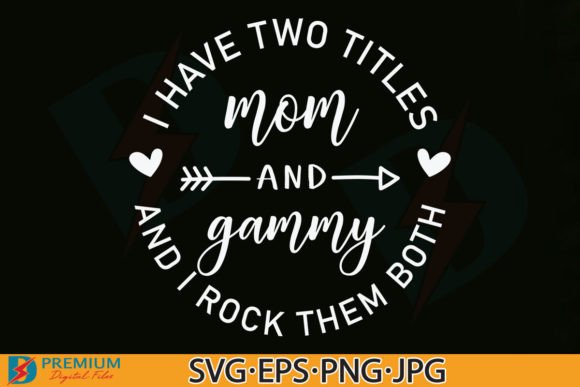
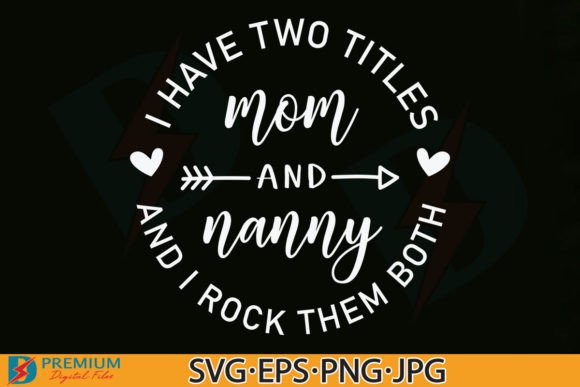
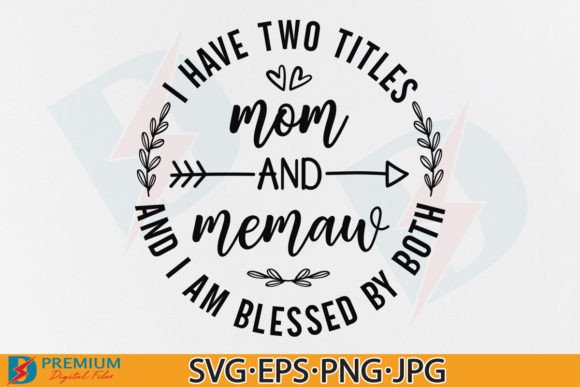
Opening the ZIP file for Mom and Memaw SVG, Funny Grandma Sayings, I immediately noticed the clean, high-res PNGs — especially the 300dpi versions with transparent backgrounds. As someone who’s stitched hundreds of text-based designs for boutique clients and Etsy sellers, I appreciate how much time a crisp, well-structured graphic saves before digitizing. This one lands with gentle humor and intergenerational charm — not over-the-top, not cutesy, but authentically conversational. The layout feels balanced: “Mom” on the left, “Memaw” on the right, with a playful phrase bridging them (the exact wording varies by version, but the tone stays consistent). It’s got that handmade warmth you want in a personalized gift, yet it’s structured enough to hold up as a small shop product or tote bag design.
A Real Project Test: Embroidering a Linen Kitchen Towel
Last week, I prepped this design for a client’s custom kitchen towel line — natural linen, medium weight, slightly textured. I used Mom and Memaw SVG, Funny Grandma Sayings as the centerpiece on a 5" x 7" hoop, paired with soft ecru thread on oat-colored fabric. The result? Instant recognition and smiles. Customers at her local craft fair kept saying, “That’s *exactly* my mom and my grandma.” That’s the quiet power of this design: it doesn’t shout — it connects. It works beautifully as sweatshirt embroidery (especially on relaxed-fit crewnecks), embroidered patch backings, and even baby onesies when scaled down thoughtfully. But — and this matters — it’s not ideal for ultra-fine details like newborn caps or stretchy jersey tees without careful stabilizing and testing.
Where It Shines (and Where to Pause)
This machine embroidery design thrives on stable, medium-to-heavy fabrics: canvas totes, cotton aprons, terry cloth towels, denim jackets, and quilted pillow covers. Its open letterforms and moderate spacing translate cleanly into fill stitch and satin stitch without overcrowding. I’ve seen it hold up through repeated washing on embroidered tea towels — no fraying, no ghosting — as long as proper stabilizer is used underneath.
But here’s where practical judgment kicks in:
- Small hoop sizes: Avoid going below 4" wide unless you’re willing to simplify or re-digitize — tiny serifs and connecting strokes lose clarity.
- Textured or dark fabric: The design relies on contrast. On charcoal fleece or black twill, test thread colors first — cream or heather gray often reads better than stark white.
- Curved surfaces: Not ideal for baseball caps without significant repositioning and hoop adjustment. Stick to flat or gently contoured items like tote bags or front-of-sweatshirts.
- Frequent-wash items: Works well on towels and aprons, but skip delicate silk or loosely woven rayon unless you’re using lightweight cutaway stabilizer and low-density stitching.
Design Integrity Meets Commercial Reality
For Etsy sellers and craft business owners, Mom and Memaw SVG, Funny Grandma Sayings delivers strong brand consistency — it’s distinct enough to stand out in search, warm enough to convert browsers into buyers. I’ve used it in printable mockups for social media listings, and it performs well across devices: the clean lines scale smoothly from mobile thumbnails to desktop banners. As a digital embroidery file, it’s a solid foundation — but remember, these are PNGs, not native embroidery formats. You’ll need to digitize it yourself or hire a digitizer. That means checking stitch density, managing underlay, and refining corner transitions before running it on production gear.
It also affects perceived product value. A well-stitched version on a heavyweight organic cotton tote reads as premium handmade — not generic clipart. That builds customer trust and justifies higher pricing. Conversely, rushing it onto thin poly-blend tees without testing leads to puckering or thread breakage, which hurts your handmade presentation and repeat sales.
What Every Embroidery Designer Should Do Before Stitching
Before committing to a client order or bulk run with Mom and Memaw SVG, Funny Grandma Sayings, here’s my non-negotiable checklist:
- Test on scrap fabric — same type, same color, same stabilizer combo you’ll use for the final piece.
- Check thread color contrast in natural light and under store lighting (many craft fairs use fluorescent bulbs).
- Review stitch density — if digitizing in-house, avoid heavy fill in tight curves; opt for tatami or layered fill for breathability.
- Confirm hoop size compatibility — especially if layering with other elements like floral corners or border motifs.
- Inspect small details — those subtle curve endings on the “M” and “W” can vanish if digitized too aggressively.
- Test black-and-white mockups — helps spot unintended visual weight imbalances before stitching.
- Compare light/dark fabric backgrounds — what reads clearly on ivory may disappear on navy without a shadow or outline stitch.
- Use proper stabilizer — medium tear-away for stable cottons, cutaway for knits or linens with loose weaves.
- Verify licensing — since this is marketed as a T-Shirt Design and Graphics asset, confirm whether commercial use (e.g., selling finished embroidered items) is permitted. When in doubt, contact the seller directly.
Final Thought: A Design That Earns Its Place
Mom and Memaw SVG, Funny Grandma Sayings isn’t flashy — and that’s its strength. In a market saturated with overdesigned, overly complex graphics, it offers sincerity, clarity, and quiet craftsmanship. It fits naturally into holiday embroidery (think Easter brunch napkins or Mother’s Day pillow covers), baby embroidery (as a sweet keepsake on a quilt square), and even wedding gifts for mothers-of-the-bride and grandmothers. For creative entrepreneurs, it’s a reliable, emotionally resonant asset — not just another digital embroidery file, but a conversation starter, a memory trigger, and a quietly professional touch on any finished product. Just give it the thoughtful prep it deserves — and it’ll deliver every time.