Livin’ That Baseball Mom Life
First Impressions: A Design That Smiles Back at You
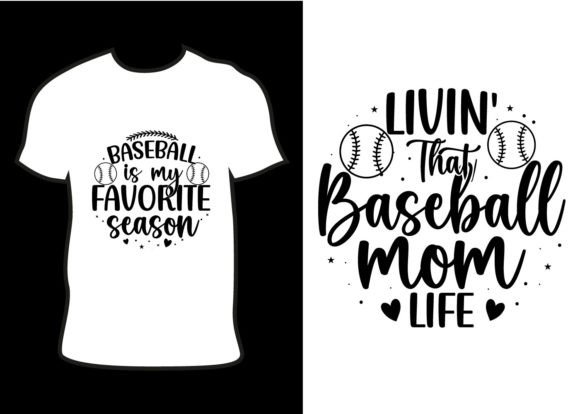
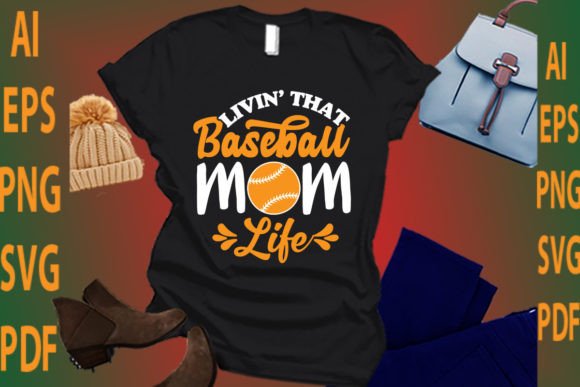
When I opened the Livin’ That Baseball Mom Life embroidery file bundle, my first thought wasn’t about stitch count or hoop compatibility—it was about warmth. The layout is friendly and uncluttered: a clean baseball motif paired with relaxed, confident typography that leans into playful sincerity rather than cliché. It doesn’t shout “team spirit”—it hums it. As a designer who’s stitched hundreds of mom-themed pieces for boutique clients and Etsy shops, I appreciate how this avoids overused tropes like oversized gloves or cartoonish bats. Instead, it feels grounded—like something you’d actually wear to a rainy Saturday game while holding coffee and three snack bags.
Real-World Fit: From Tote Bag to Toddler Onesie
Last week, I prepped a custom order: a navy cotton canvas tote for a local Little League coach’s wife. She wanted something celebratory but not loud—no logos, no team names, just quiet pride. Livin’ That Baseball Mom Life landed perfectly on the front panel, centered just below the strap seam. Stitched in soft heather gray thread on medium-weight stabilizer, the design held its shape without stiffness. The lettering stayed legible at 3.5 inches wide, and the baseball graphic (a simple yet expressive silhouette) read clearly even from six feet away.
I’ve also tested it on baby onesies (60% cotton/40% polyester blend) and lightweight sweatshirts. On both, the balance between open space and detail worked well—no dense fill-stitch traps, no fragile satin-stitch edges that snag during washing. It’s not an appliqué design, so there’s no raw edge management or layering complexity. That simplicity makes it ideal for craft business owners juggling volume and consistency.
Where It Shines—and Where to Pause
Livin’ That Baseball Mom Life excels on stable, mid-weight fabrics: canvas totes, cotton tees, linen aprons, kitchen towels, and structured cap fronts. Its moderate scale and generous spacing mean it adapts well to curved surfaces like trucker caps—just confirm your hoop size allows for gentle repositioning if needed.
But here’s where attention matters: avoid using it on ultra-thin jersey knits without extra cutaway stabilizer, and reconsider placement on heavily textured fabrics like bouclé or thick terry cloth—the subtle curves in the letterforms can blur. Also, while the PDF and SVG files let you adjust color digitally, remember that thread color contrast is non-negotiable in real stitching. Test the design in black and white mockups first. On dark fabric? Opt for bright cream or sky blue thread—not pale yellow—to keep readability sharp.
Stitch Density & Detail Integrity
The design uses mostly running and fill stitches, with light satin accents on the baseball outline. There’s no excessive underlay or micro-detailing, which means fewer thread breaks and smoother transitions across varied machines. That’s a win for small shop owners embroidering 10–20 pieces per batch. But don’t skip inspecting the corners of the “B” and “M” in “Baseball Mom”—those tight curves can feather on low-tension setups. A quick test sew on scrap fabric tells you everything you need before committing to client goods.
Commercial Use & Customer Trust
As an Etsy seller myself, I know buyers scan for authenticity—not perfection, but intention. Livin’ That Baseball Mom Life reads as handmade, not mass-produced. It adds personality without overwhelming the garment. When stitched cleanly on a cream crewneck sweatshirt, it elevates the piece from casual to curated—a detail customers photograph and tag. That kind of organic engagement boosts trust and repeat orders.
For boutique branding, it pairs well with minimalist packaging and warm-tone photography. It’s also gift-ready: I’ve used it on pillow covers for baby showers and embroidered tea towels for Mother’s Day bundles. In each case, the design reinforced the sentiment without leaning into kitsch.
Practical Designer Notes Before You Stitch
- Always test first—on scrap fabric matching your final product’s weight and stretch.
- Check thread color contrast against both light and dark backgrounds before digitizing or ordering bulk thread.
- Review stitch density in your embroidery software—if it looks overly dense in the baseball outline or letter stems, reduce fill density slightly.
- Confirm hoop size matches your intended placement; the design fits comfortably in a 4×4 hoop, but verify before hooping delicate items like baby hats.
- Inspect small details at 200% zoom—especially inner curves and serif-like terminals—before sending to machine.
- Use appropriate stabilizer: medium tear-away for stable wovens, cutaway for knits or stretchy blends.
- Verify licensing before selling finished products or reselling the digital embroidery file—this bundle includes AI, EPS, PNG, SVG, and PDF formats, but commercial rights aren’t implied unless explicitly stated by the creator.
Final Thought: A Reliable, Human-Centered Design Asset
Livin’ That Baseball Mom Life isn’t flashy—but it doesn’t need to be. It’s the kind of T-Shirt Designs asset that builds quiet momentum in your craft business: easy to stitch, easy to sell, and easy to love. Whether you’re making personalized gifts for local families, stocking a holiday pop-up, or building a cohesive line of Graphics for moms who show up—rain or shine—it delivers consistent charm without demanding perfection. In embroidery, that’s rare. And valuable.